
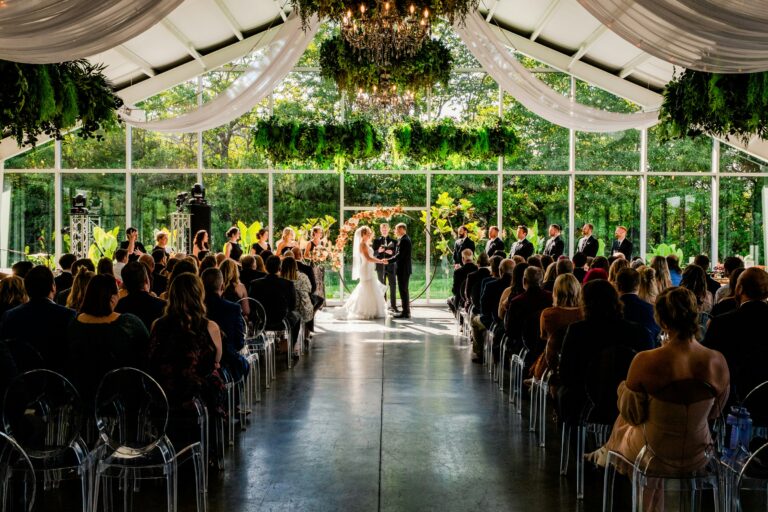
One of the most important factors when choosing a wedding venue is your guest count. The number of people attending your wedding directly affects the venue size, layout, budget, and overall atmosphere. Choosing a venue that fits your guest list ensures the celebration feels comfortable, organized, and enjoyable for everyone.
A venue that is too small can feel crowded, while a space that is too large may make the event feel empty. Finding the right balance is key.
Step 1: Finalize Your Estimated Guest List
Before booking a venue, couples should create an estimated guest list. It doesn’t need to be exact, but having a rough number helps narrow down venue options.
Many venues categorize their spaces based on capacity, so knowing whether you’re planning for 30 guests or 200 guests makes the search much easier.
Typical wedding guest count ranges include:
-
Small weddings: 10–50 guests
-
Medium weddings: 50–120 guests
-
Large weddings: 120–250+ guests
Once you know your approximate guest count, you can start looking for venues designed to comfortably accommodate that number.
Step 2: Consider the Type of Venue That Fits Your Size
Different venues naturally work better for different guest counts.
Small Guest Lists (10–50 Guests)
Ideal venues include:
-
Restaurants with private dining rooms
-
Gardens or small outdoor spaces
-
Boutique hotels
-
Private homes or estates
These venues create an intimate atmosphere where guests can interact easily.
Medium Guest Lists (50–120 Guests)
Popular venue options include:
-
Barns and vineyards
-
Small banquet halls
-
Historic homes or estates
-
Art galleries or loft spaces
These venues offer enough space for dining, dancing, and guest interaction without feeling too large.
Large Guest Lists (120+ Guests)
Larger celebrations require venues designed for higher capacity, such as:
-
Hotel ballrooms
-
Convention centers
-
Country clubs
-
Large event halls
These venues provide sufficient seating, dance floors, and service staff for bigger events.
Step 3: Understand Venue Capacity and Layout
Venue capacity isn’t just about the number of people—it also includes how the space is used.
Ask venues about:
-
Maximum seated capacity
-
Dance floor space
-
Cocktail hour areas
-
Ceremony seating arrangements
-
Table layout options
A venue might technically hold 150 guests, but if the dance floor or buffet tables take up space, the room may feel crowded.
Step 4: Think About Guest Comfort
Guest comfort is essential when evaluating venue size.
Consider factors like:
-
Adequate seating
-
Restroom availability
-
Parking or transportation access
-
Accessibility for elderly guests
-
Room for movement and socializing
A well-planned venue ensures guests can move comfortably between the ceremony, cocktail hour, and reception.
Step 5: Allow for Last-Minute Changes
It’s common for guest lists to change slightly during the planning process. Some guests may decline invitations, while others might be added.
Choosing a venue that can flexibly accommodate a small increase or decrease in guests helps avoid stress later.
Creating the Right Atmosphere
Guest count doesn’t just determine venue size—it also shapes the overall wedding experience. Smaller venues create intimate celebrations where conversations flow easily. Larger venues allow for grand entrances, big dance floors, and lively receptions.
The best wedding venues are those that match both your guest count and your vision for the celebration. When the space feels balanced and comfortable, guests can focus on enjoying the moment with you.