
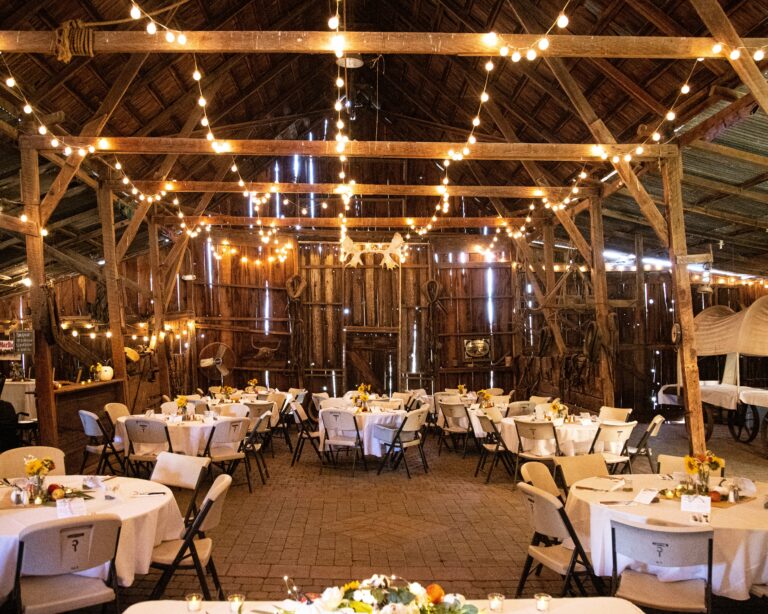
When couples start searching for a wedding venue, the listed price can feel manageable—until the final bill tells a different story. Many venues advertise a base rental fee, but additional costs can quickly add up if you don’t ask the right questions upfront.
Understanding these hidden expenses helps you budget realistically and avoid last-minute surprises.
1. Rentals (Tables, Chairs, Linens & More)
Not all venues include essentials like tables, chairs, linens, or place settings. If these items aren’t included, you’ll need to rent them separately.
Common rental costs include:
-
Chairs and tables
-
Table linens and napkins
-
Dinnerware and glassware
-
Ceremony arches or décor structures
These costs can add up quickly, especially for larger guest counts.
2. Setup and Breakdown Fees
Some venues charge extra for setting up and breaking down the event space. This may include arranging tables, chairs, décor, and cleaning after the event.
Even if staffing is included, overtime or extended hours can increase the cost.
3. Service Charges and Gratuity
Many venues add a service charge (often 18%–25%) on top of catering or venue fees. This is not always clearly included in the initial quote.
Gratuities for staff—such as servers, bartenders, and coordinators—may also be expected.
4. Catering and Bar Minimums
Some venues require couples to meet a minimum spending amount on food and beverages.
Even if your guest list is small, you may still need to meet that minimum, which can increase your total cost.
5. Vendor Restrictions and Fees
Certain venues require you to use preferred or in-house vendors. While this can simplify planning, it may limit your ability to find more affordable options.
Some venues also charge fees if you bring in outside vendors.
6. Overtime Charges
Weddings don’t always run exactly on schedule. If your celebration goes beyond the contracted time, venues may charge hourly overtime fees.
These fees can apply to:
-
Venue rental
-
Staff and security
-
DJs or entertainment
7. Lighting and Power Costs
Lighting is often not included in the base price. String lights, uplighting, chandeliers, and sound systems may require additional rentals.
Outdoor venues may also require generators for electricity, which can increase costs.
8. Tent and Weather Backup Costs
For outdoor weddings, tents are one of the biggest unexpected expenses. Even if the weather looks perfect, having a backup plan is essential.
Tent rentals can include:
-
Structure and installation
-
Flooring
-
Lighting and climate control
These costs can be significant but are necessary for peace of mind.
9. Parking, Transportation, and Security
Some venues charge for parking attendants, valet services, or security personnel. If the venue is remote, couples may also need to arrange guest transportation.
These logistics are often overlooked during initial planning.
10. Cleaning and Damage Fees
After the event, some venues charge cleaning fees or require a security deposit. If any damage occurs, additional charges may apply.
Understanding these policies ahead of time helps avoid unexpected deductions.
How to Avoid Surprise Costs
To protect your budget, always ask venues:
-
What is included in the base price?
-
Are there service charges or gratuities?
-
What rentals are required?
-
Are there vendor restrictions?
-
What happens if we go over time?
Getting a detailed, itemized quote is the best way to understand the true cost of your venue.
The key to staying on budget isn’t just finding an affordable venue—it’s understanding the full cost from the beginning. When couples plan with clarity, they can avoid surprises and create a wedding that feels both beautiful and financially manageable.