
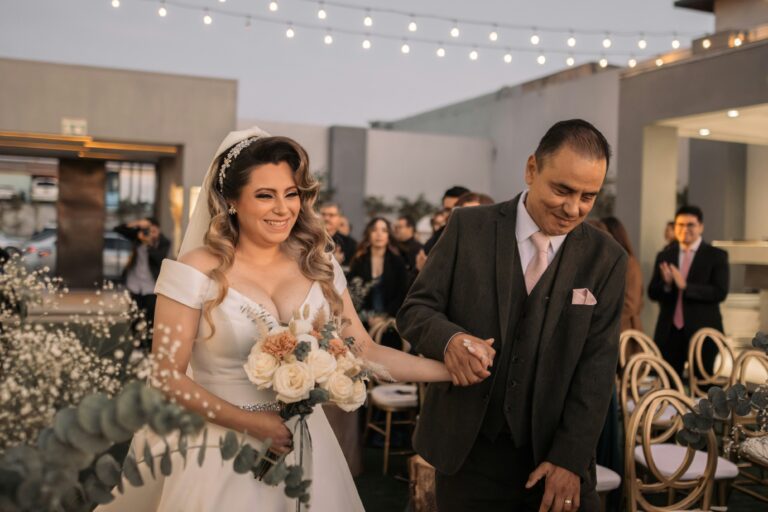
When to Schedule Portraits, Group Photos, and Sunset Shots
A well-planned photography timeline is one of the keys to a smooth, stress-free wedding day. Without a plan, couples often feel rushed, miss important shots, or lose golden lighting opportunities. Here’s how to create a realistic photography timeline that ensures every moment is captured beautifully.
1. Start With Getting-Ready Photos
Why: These moments capture the excitement, nerves, and preparation before the ceremony.
Timing Tips:
-
Schedule 1–2 hours for hair, makeup, and dressing.
-
Include shots of details like rings, shoes, and invitations.
-
Let your photographer capture candid interactions with your wedding party.
Pro tip: Allocate extra time for bridesmaids and family photos—they often take longer than expected.
2. Ceremony Coverage
Why: This is the heart of your day—the vows, first kiss, and emotional moments.
Timing Tips:
-
Plan for 30–60 minutes, depending on the complexity of the ceremony.
-
Include pre-ceremony shots like arrival of guests and venue décor.
-
Don’t forget key angles like close-ups of hands, rings, and reactions from loved ones.
Group and Family Photos
Why: These are the formal shots you’ll treasure for years.
Timing Tips:
-
Schedule immediately after the ceremony while everyone is still gathered.
-
Prepare a shot list in advance for family and bridal party combinations.
-
Limit to 30–45 minutes to keep energy high and avoid guest fatigue.
Pro tip: Have a coordinator or family member help organize groups efficiently.
3. Couple Portraits and Golden Hour Shots
Why: This is your chance for romantic, dreamy photos in natural light.
Timing Tips:
-
Schedule portraits 30–60 minutes before sunset for the best lighting.
-
Include both posed and candid shots while walking, laughing, or sharing quiet moments.
-
Use the venue and landscape creatively—stairs, arches, gardens, or waterfronts.
4. Reception and Candid Moments
Why: These photos capture the energy, fun, and emotion of the celebration.
Timing Tips:
-
Include key moments like first dances, speeches, cake cutting, and bouquet toss.
-
Let your photographer roam to capture guests enjoying themselves.
-
Don’t forget detail shots—centerpieces, décor, and lighting.
5. Build In Flexibility
Even the best-planned timeline can shift due to weather, delays, or unexpected moments. Add extra buffer time between key events so your photographer can adjust without stress.
Final Thought
A realistic wedding photography timeline ensures you capture every emotion, detail, and memory without feeling rushed. By planning strategically—from getting-ready shots to golden hour portraits—you can relax and fully enjoy your wedding day, knowing nothing will be missed.