
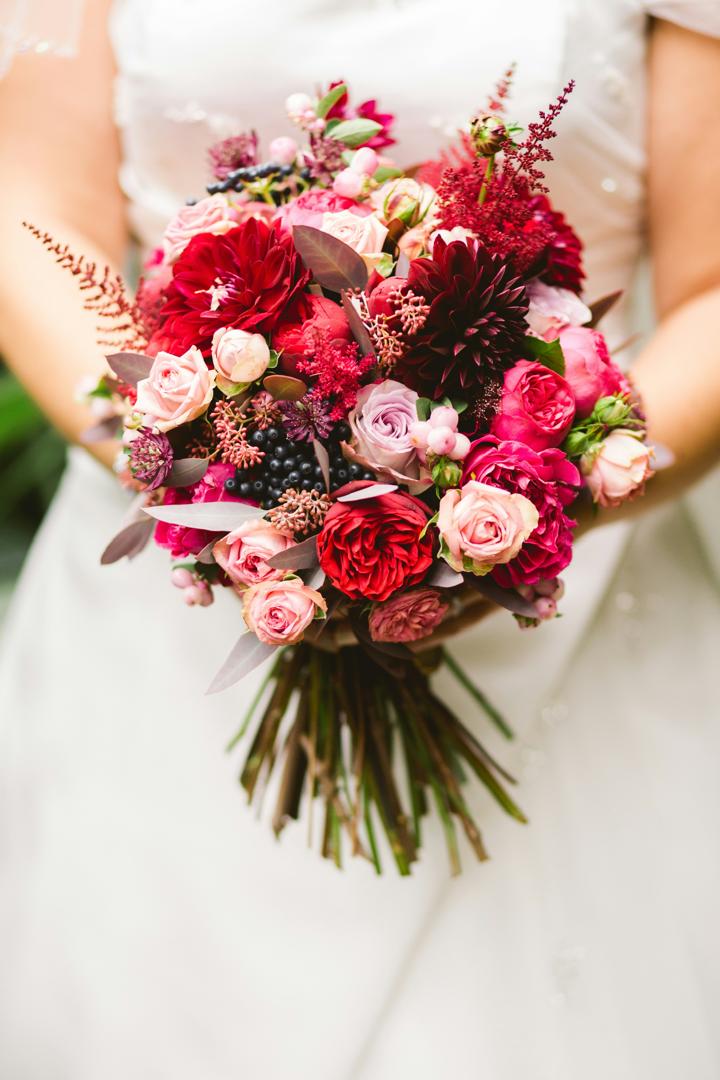
Your Floral Vision Starts With a Picture
You may know the colors you love, the bouquet styles you’re drawn to, or the overall feeling you want your wedding to have — but translating those ideas into a clear message for your florist can feel overwhelming.
That’s where a floral mood board becomes the bride’s secret weapon.
A mood board turns your inspiration into something visual, cohesive, and easy for your florist to interpret.
It bridges the gap between “I want romantic flowers” and “This is the exact look I love.”
Here’s how to create one, what to include, and how to use it to communicate your floral dream flawlessly. 🌿✨
🌸 1. What Is a Floral Mood Board?
A floral mood board is a curated collection of images, colors, textures, and keywords that visually represent your wedding flower style.
It helps your florist instantly understand:
-
Your color palette
-
Your preferred flower types
-
The bouquet shapes you love
-
Your overall wedding aesthetic
-
The textures and tones that inspire you
Think of it as a visual blueprint for your floral design.
2. Why Mood Boards Are So Helpful for Florists
Florists are visual creators. Mood boards allow them to:
-
Capture your style at a glance
-
Identify recurring patterns in your taste
-
Understand the atmosphere you want to create
-
Suggest flowers that fit your vision and your budget
-
Ensure floral choices match your venue, dress, and color palette
✨ The clearer your mood board, the easier it is for your florist to design something you’ll love.
3. Where to Gather Your Inspiration
Start collecting images from a variety of sources:
-
Pinterest
-
Instagram
-
Wedding blogs
-
Florist portfolios
-
Styled shoots
-
Magazines
-
Photos of your venue
-
Pictures of your dress and bridesmaid dresses
You don’t need to know exactly what you want — your mood board will reveal it as you gather inspiration.
4. What to Include in Your Floral Mood Board
A strong mood board includes a mix of elements that gives your florist a complete picture of your style.
🌷 Key Elements to Add:
1. Color Palette
Include swatches of your wedding colors such as:
-
Blush and ivory
-
Sage green
-
Dusty blue
-
Terracotta and rust
-
Champagne and gold
-
Bold jewel tones
Your florist uses this to choose flowers that match perfectly.
2. Bouquet Styles
Add pictures of bouquet shapes you like:
-
Round
-
Cascading
-
Hand-tied
-
Asymmetrical
-
Minimalist
-
Garden-style
This helps your florist understand the silhouette you prefer.
3. Flower Types
Include blooms you love — even if you’re not sure what they’re called.
Examples:
-
Roses
-
Peonies
-
Ranunculus
-
Dahlias
-
Orchids
-
Anemones
-
Baby’s breath
Your florist can tell you which are in season and within your budget.
4. Texture Inspiration
Think beyond flowers:
-
Lush greenery
-
Pampas grass
-
Feathery textures
-
Soft petals
-
Structured lines
-
Dried elements
Textures add dimension — your mood board should show the feeling you want.
5. Venue & Décor Images
Include photos of your venue, ceremony space, tables, or backdrop ideas.
This helps your florist design florals that belong in your space.
5. How to Organize Your Mood Board
You can use tools like:
-
Canva
-
Pinterest
-
Google Slides
-
Adobe Express
-
Milanote
Organize your images into sections:
-
Color palette
-
Bouquet inspiration
-
Ceremony florals
-
Reception florals
-
Centerpieces
-
Textures
-
Overall theme
A clean board makes your vision easy for your florist to interpret.
6. How to Present Your Mood Board to Your Florist
When you share your mood board during your consultation, talk through the details:
-
What specifically drew you to each photo
-
Which elements you love (color, shape, texture)
-
What you dislike or want to avoid
-
Your must-have flowers
-
Your overall wedding vibe
Let your florist ask questions — their job is to understand your vision deeply so they can bring it to life.
💡 Remember: You don’t need to copy any image exactly. Your florist will translate your inspiration into something original and personal.
7. Stay Flexible With Your Mood Board
Mood boards guide your florist, but they’re not rigid instructions.
Allow your florist room to:
-
Make substitutions
-
Offer creative suggestions
-
Adjust designs based on season and availability
-
Use their artistry to elevate your ideas
Trusting your floral designer ensures your mood board becomes a beautiful starting point — not a limitation.
Final Thoughts: A Mood Board Turns Inspiration Into Art
Your floral mood board is a powerful communication tool that helps your florist understand your dreams, your style, and your aesthetic — all at a glance.
With the right images, colors, and ideas, you give your florist everything they need to create stunning, cohesive florals that feel like you.
Let your mood board tell your story — and watch your wedding flowers bloom beautifully from it.