
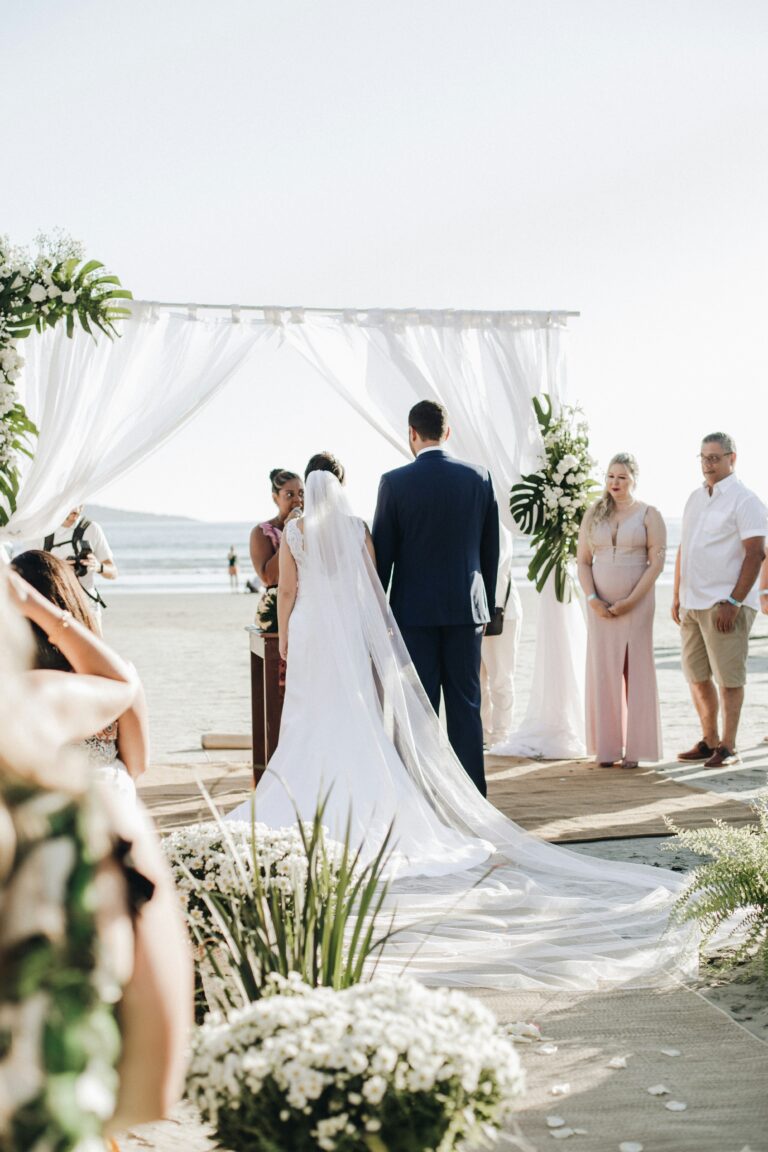
National park and scenic outdoor weddings offer some of the most breathtaking backdrops in the United States—from mountain vistas and desert landscapes to lakes, cliffs, and forests. For couples who love nature and adventure, these locations feel meaningful and unforgettable. However, weddings in national parks and protected outdoor spaces come with specific rules and limitations. Knowing what’s allowed—and what isn’t—can make the difference between a smooth celebration and a stressful one.
Why Couples Choose National Park Weddings
The appeal is simple: natural beauty that can’t be recreated indoors. National parks and scenic outdoor locations offer dramatic views, peaceful settings, and a sense of intimacy that many traditional venues can’t match. These weddings often feel intentional and deeply personal, especially for couples who value experiences over extravagance.
Permits Are Almost Always Required
Most national parks and protected scenic areas require a special use permit for weddings—even for small ceremonies or elopements. Permits help manage crowd control, protect the environment, and ensure safety. Couples should apply early, as some parks limit the number of weddings per day or per season. Permit fees vary, but they are typically non-refundable.
Guest Count Limits Matter
Unlike traditional venues, national parks often cap the number of guests allowed at ceremony sites. Some locations allow as few as 10–25 people, while others permit larger groups. These limits are strictly enforced to preserve the natural environment and visitor experience. Couples planning larger celebrations may need to consider a nearby reception venue instead.
Décor Is Extremely Limited
In most national parks, décor rules are strict. Common restrictions include no arches, no chairs, no flower petals, no confetti, and no aisle runners. Anything that could damage the land or leave behind debris is typically prohibited. Couples should expect a minimalist setup where the scenery is the main design element.
Music, Amplification, and Sound
Amplified music is often restricted or prohibited altogether. Live music, speakers, or microphones may require special approval—or may not be allowed at all. Many couples opt for acoustic instruments or forgo music during the ceremony to stay compliant with park rules.
Time Restrictions and Shared Spaces
National parks are public spaces, which means couples cannot reserve exclusive use of most areas. Other visitors may be present during the ceremony, and event times are often limited. Couples should plan for brief ceremonies and flexible timelines that respect public access rules.
Accessibility and Terrain Considerations
Scenic locations can involve uneven ground, steep trails, or long walking distances. Couples should think carefully about guest accessibility, attire, footwear, and safety. Some parks require ceremonies to take place near parking areas or designated overlooks to reduce environmental impact.
What Is Usually Allowed
While rules vary by location, many parks allow:
-
Small ceremonies with limited guests
-
Handheld bouquets
-
Photography with permit approval
-
Simple vow exchanges
-
Elopements and intimate celebrations
Understanding these allowances helps couples design a wedding that aligns with regulations while still feeling meaningful.
Pairing a Scenic Ceremony with a Traditional Reception
Many couples choose to hold a short ceremony in a national park, then host their reception at a nearby restaurant, lodge, or private venue. This approach offers the best of both worlds: unforgettable scenery and a comfortable, flexible celebration space.
National park and scenic outdoor weddings are stunning—but they require respect for nature and careful planning. Couples who understand the rules ahead of time are rewarded with a wedding experience that feels raw, beautiful, and deeply connected to the world around them.