
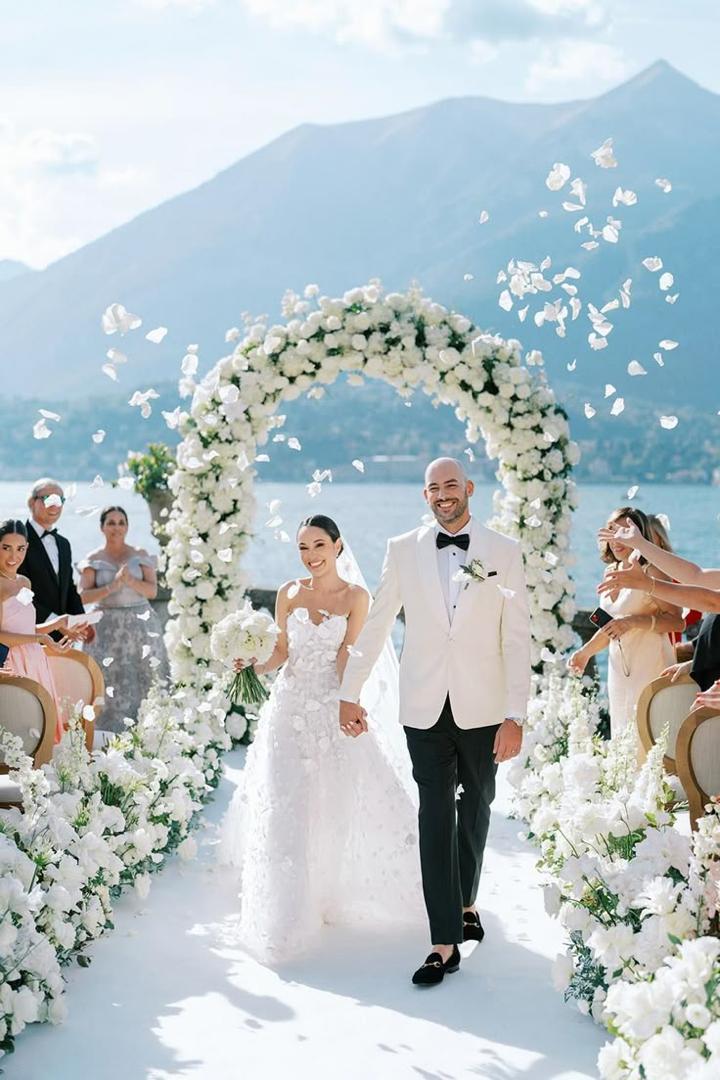
Outdoor garden weddings are romantic, fresh, and naturally beautiful. From manicured botanical gardens to private estates filled with blooms, garden venues are a dream choice for many couples across the United States. Before you book one, however, there are a few important things to consider to make sure your day is as seamless as it is stunning.
Natural Beauty Comes with Seasonal Timing
One of the biggest appeals of a garden wedding is the scenery. Lush greenery, colorful florals, and open-air settings create an effortlessly elegant atmosphere. That beauty, however, depends heavily on the season. Spring and early summer tend to offer peak blooms, while late summer heat or early fall foliage may change the look of the space. When touring venues, ask what the garden looks like during your preferred month—not just during peak season photos.
Weather Is the Biggest Variable
Unlike indoor venues, garden weddings are at the mercy of the elements. Rain, wind, heat, and humidity all play a role. Many venues require a backup plan, such as a tent or indoor space, and couples should factor the cost of rentals into their budget. Knowing whether tents, flooring, or heaters are allowed—and who is responsible for arranging them—can prevent last-minute stress.
Permits, Rules, and Restrictions Matter
Many garden venues, especially botanical gardens and historic estates, have strict guidelines. These may include limits on décor, music volume, candle use, or even guest count. Some venues also require permits or have time restrictions for events. Reviewing these rules carefully before booking ensures your vision aligns with what the venue allows.
Accessibility for Guests
Garden venues are beautiful but can present logistical challenges. Uneven ground, grass pathways, or long walking distances may be difficult for elderly guests or those with mobility concerns. It’s important to ask about accessibility options, parking proximity, and restroom facilities so all guests feel comfortable and included.
Décor Can Be Minimal—but Strategic
One of the advantages of garden weddings is that you often need less décor. Nature provides the backdrop. That said, strategic styling still matters. Ceremony arches, aisle markers, lighting for evening receptions, and reception layouts should complement—not compete with—the surroundings. Thoughtful design enhances the space without overwhelming it.
Sound and Privacy Considerations
Outdoor spaces can be unpredictable when it comes to sound. Nearby events, traffic, or wildlife can affect the atmosphere. Ask the venue about exclusivity and noise policies. Understanding how sound carries outdoors will help you plan music, vows, and speeches so everyone can hear clearly.
Costs Beyond the Venue Fee
Garden weddings sometimes appear more affordable at first glance, but additional expenses can add up. Rentals for chairs, tables, tents, lighting, generators, and restrooms may not be included. Asking for a detailed list of what’s provided versus what you’ll need to rent will help you budget accurately.
Outdoor garden weddings are magical—but they require thoughtful planning. When couples understand the seasonal, logistical, and financial considerations upfront, they’re rewarded with a celebration that feels organic, romantic, and unforgettable.