
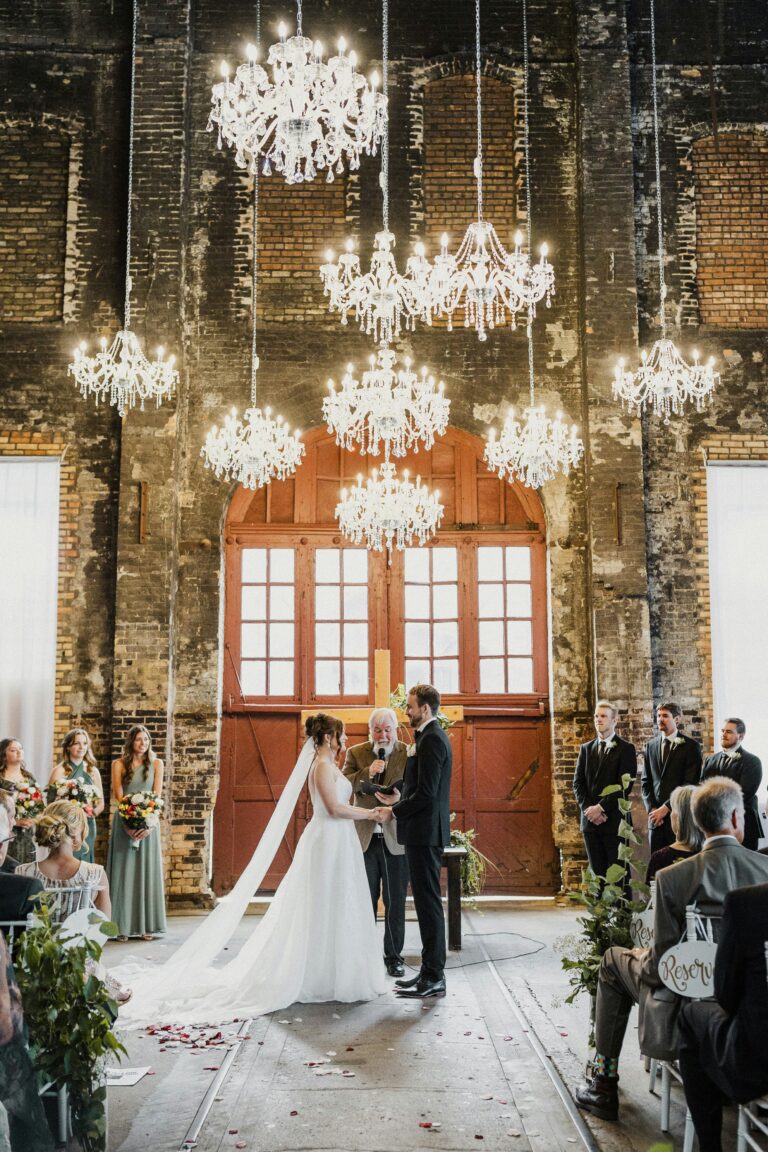
Traditional American weddings have long set the standard for how weddings are celebrated in the United States. While modern couples are redefining many aspects of the big day, tradition hasn’t disappeared—it has simply evolved. Today’s couples are carefully choosing which customs still resonate with them and which ones they’re ready to leave behind.
What Couples Still Love About Traditional Weddings
Many classic elements continue to hold emotional and cultural value. Formal ceremonies, whether in churches or traditional venues, remain popular for couples who value structure and symbolism. Walking down the aisle, exchanging vows in front of loved ones, and celebrating with a reception afterward still feel meaningful and timeless.
Couples also continue to embrace traditions that center on family and connection. First dances, parent dances, speeches, and cake-cutting ceremonies remain staples because they create shared moments guests recognize and cherish. These rituals help anchor the celebration and give it a familiar rhythm.
Traditional attire is another element many couples still love. Classic wedding gowns, tuxedos, and formalwear continue to feel special and ceremonial, even when paired with modern styling or personal touches.
What Couples Are Choosing to Skip
While tradition still matters, many couples are letting go of elements that feel outdated or unnecessary. Large bridal parties, rigid timelines, and overly formal expectations are often the first to go. Couples are also skipping traditions that don’t align with their values, such as strict gender roles or scripted moments that feel performative rather than personal.
Lengthy ceremonies, assigned seating charts with complex rules, and traditions rooted in obligation rather than meaning are increasingly being reconsidered. Modern couples want celebrations that feel authentic, not forced.
Personalization Is the New Standard
The biggest shift in traditional American weddings is customization. Couples are keeping the framework of tradition but tailoring it to fit their personalities. This might mean rewriting vows, reimagining the reception flow, or blending cultural traditions. Rather than following a one-size-fits-all format, couples are creating weddings that reflect who they are.
Tradition with Flexibility
Today’s traditional weddings are less about rules and more about intention. Couples are learning that they don’t have to abandon tradition entirely to create a modern celebration. By choosing what feels meaningful and letting go of what doesn’t, they’re redefining tradition in a way that feels respectful and refreshing.
Traditional American weddings continue to thrive because they offer familiarity, symbolism, and structure—while still leaving room for personal expression. The modern approach isn’t about rejecting tradition; it’s about shaping it to fit real lives and real love stories.